Why Estate Planning Matters More Than Most People Think
A will and a handful of supporting documents can seem like a formality, something you'll \u201Cget around to.\u201D In practice, these documents determine some of the most consequential decisions a family will ever face:
- Who makes decisions for you if you become incapacitated and can't speak for yourself, whether due to illness, injury, or age
- Who raises your children if something happens to you and their other parent while they're still minors
- How your assets are distributed — and whether that happens the way you actually intended, or the way Texas intestacy law defaults to when there's no plan in place at all
- Whether your family avoids a contested, expensive, and drawn-out probate process, or moves through it efficiently because the groundwork was already laid
- Who has authority over your medical care if you're unable to make those decisions yourself, and what your wishes are regarding treatment and end-of-life care
- How a family business or farm continues to operate if something happens to the person currently running it
- Whether your loved ones face unnecessary conflict over decisions that could have been settled clearly in advance
Without a plan in place, Texas law decides these things for you by default — and its default answers don't always match what you, or your family, would actually want. Estate planning isn't about assuming the worst. It's about making sure that if something does happen, the people you love aren't left navigating a legal maze during one of the hardest moments of their lives.
What Happens in Texas Without an Estate Plan
When someone dies without a valid will in Texas, their estate passes through intestate succession — a fixed legal formula that determines who inherits based on family relationships, not personal wishes. Depending on your family structure, this can produce results many people wouldn't have chosen themselves:
- A surviving spouse may not automatically inherit the entire estate, particularly if there are children from a prior relationship
- Unmarried partners have no automatic inheritance rights under Texas law, regardless of how long the relationship lasted
- Minor children can end up with assets held in a court-supervised arrangement rather than managed the way a parent would have preferred
- Extended family members you may not have intended to include can sometimes inherit under the formula, while people you did want to provide for — a close friend, a stepchild you never formally adopted, a charity — receive nothing
This is often the moment where people realize estate planning isn't really about death. It's about control — making sure the people and causes you care about are actually the ones who benefit, instead of leaving it to a formula that has no idea who you are.
Estate Planning Documents We Help You Put in Place
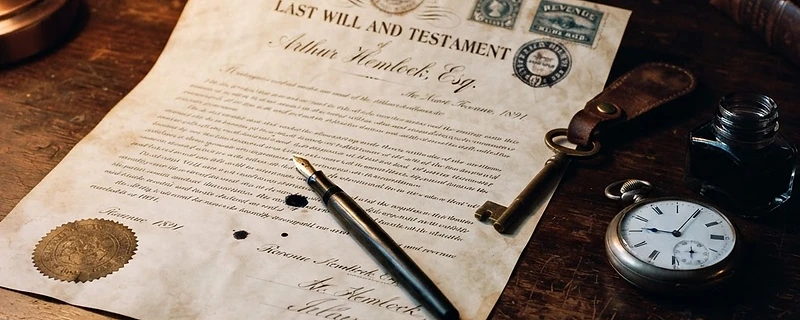
Last Will & Testament
The foundation of most estate plans. A will directs how your assets are distributed, names an executor you trust to carry out your wishes, and, critically for parents, allows you to designate a guardian for minor children. Without one, these decisions default to Texas law or, in the case of guardianship, to a court.
Trusts
Trusts serve a range of purposes depending on your goals. A revocable living trust allows you to maintain control over your assets during your lifetime while potentially avoiding probate for property held in the trust. An irrevocable trust can offer additional asset protection or tax planning benefits, though it comes with less flexibility once established. A testamentary trust, created through your will, can hold assets for minor children or beneficiaries who need managed distributions rather than a lump sum. A special needs trust can preserve a beneficiary's eligibility for government benefits while still providing for their care. We help determine which structure, if any, actually fits your circumstances; trusts aren't necessary for every estate plan, and we won't recommend one just to sell a more complex plan.
Financial Power of Attorney
Names someone you trust to manage your financial affairs — paying bills, managing accounts, handling property — if you become unable to do so yourself. Without this document in place, your family may need to petition a court for guardianship just to access your accounts or handle basic financial matters on your behalf, which can be a slow, expensive, and public process.
Medical Power of Attorney & Directive to Physicians
Ensures someone you trust can make medical decisions on your behalf if you're unable to communicate your own wishes. A Directive to Physicians (sometimes called a living will) documents your preferences regarding life-sustaining treatment, so your family isn't left guessing or disagreeing about what you would have wanted during an already devastating situation.
HIPAA Authorization
Allows designated individuals to access your medical information and communicate with healthcare providers on your behalf — a smaller document that's frequently overlooked, but one that can prevent real delays and frustration during a medical emergency.
Guardianship Designations for Minor Children
Lets you formally name who would raise your children if both parents are unable to, rather than leaving that decision to a court, which has no way of knowing your actual preferences unless you've documented them.
Beneficiary & Asset Coordination
Making sure your will, any trusts, and the beneficiary designations on your retirement accounts, life insurance policies, and payable-on-death bank accounts actually work together. This is a surprisingly common gap: beneficiary designations generally override what a will says, so an outdated designation from years ago can quietly undo an otherwise carefully built plan.
Letter of Instruction
Not a formal legal document, but a practical one — a letter laying out where important documents are kept, login information for key accounts, funeral or burial preferences, and other details that make things easier for whoever is left handling your affairs.
Estate Planning for Business Owners and Family Land
Cleburne and the surrounding counties include a meaningful number of family-owned businesses, ranches, and land that's been passed down for generations — and these situations call for estate planning that goes beyond a standard will.
- Business succession planning — who takes over day-to-day operations, and how ownership transitions, if something happens to a business owner
- Buy-sell agreements — arrangements between business partners establishing what happens to an owner's interest if they die, become incapacitated, or want to exit the business
- Agricultural and land planning — addressing how family land is divided, or kept intact, across multiple heirs, along with any mineral rights or easements attached to the property
- Succession for multi-generational operations — planning for a smoother transition when a ranch, farm, or family business is meant to stay in the family long-term
Without planning specific to these situations, a business or piece of land that took a lifetime to build can end up divided, sold, or tied up in disputes among heirs who don't agree on what should happen next.
Digital Assets and Modern Estate Planning
Estate planning has expanded well beyond physical property and bank accounts. Modern plans increasingly need to address:
- Online banking and financial accounts
- Cryptocurrency and digital wallets
- Social media and email accounts
- Digital photos, documents, and cloud storage
- Subscription services and digital business assets
Without specific authorization and instructions, family members can face real obstacles accessing or managing these assets after a death or incapacity — some platforms have strict policies around account access that a properly drafted estate plan can help address in advance.
Common Misconceptions About Estate Planning
“I don't have enough assets to need a plan.”
Estate planning isn't just about wealth — it's about decision-making authority, guardianship for children, and avoiding default outcomes under Texas law. Even a modest estate benefits from a clear plan.
“My spouse will automatically get everything.”
Not always. Depending on whether property is separate or community property, and whether there are children from outside the current marriage, a surviving spouse may not automatically inherit the entire estate.
“I already have beneficiaries listed on my accounts, so I don't need a will.”
Beneficiary designations only cover those specific accounts. Anything not covered by a designation — personal property, real estate, other assets — passes according to your will, or Texas intestacy law if you don't have one.
“Estate planning is a one-time task.”
A plan built for your life ten years ago may not reflect your life today. Marriages, divorces, new children, new assets, and even changes in the law can all make an old plan outdated.
“Trusts are only for wealthy families.”
Trusts can serve purposes beyond tax planning — managing assets for minor children, protecting a beneficiary with special needs, or simply avoiding probate for specific property. Whether one makes sense depends on your situation, not your net worth alone.
When You Should Update an Existing Estate Plan
An estate plan isn't a document you create once and file away forever. It's worth revisiting after:
- A marriage, divorce, or remarriage
- The birth or adoption of a child or grandchild
- The death of a named executor, trustee, or guardian
- A significant change in assets — a new business, an inheritance, a major purchase, or the sale of property
- A move to or from Texas, since estate planning laws vary meaningfully by state
- A change in your relationship with a beneficiary or named fiduciary
- Simply several years passing since the plan was last reviewed, even if nothing dramatic has changed
If any of these apply to you and your plan hasn't been touched since it was created, it may no longer reflect what you actually want — or worse, it may name someone you no longer trust, or omit someone who should be included.
Choosing an Executor, Trustee, or Agent
One of the most overlooked parts of estate planning isn't the documents themselves — it's who you name to carry them out. Consider:
- Trustworthiness above all else, since this person will have real authority over your affairs or your children's future
- Willingness to serve — has this person actually agreed to take on this responsibility?
- Organizational ability, particularly for an executor who will need to manage paperwork, deadlines, and communication with beneficiaries
- Geographic proximity, which can make certain tasks more practical, though it isn't always required
- Family dynamics — sometimes the most “obvious” choice (an oldest child, for example) isn't actually the best fit, and it's worth thinking honestly about who is truly suited to the role
We regularly help clients think through these choices rather than defaulting to whoever seems expected.
The Real Cost of Skipping a Plan
It's easy to think of estate planning as an expense you're choosing to take on. In reality, the absence of a plan almost always costs more — just later, and to someone else. Families without a plan in place often face:
- Court-supervised guardianship proceedings for minor children, which take time and money that a simple designation could have avoided
- A longer, more expensive probate process, particularly when there's disagreement about who should serve as executor
- Legal fees spent resolving disputes that a clear will could have prevented from ever arising
- Emotional strain on top of grief, as family members are forced to make decisions under pressure, sometimes in disagreement with one another, about things that were never written down
The upfront cost of a properly drafted estate plan is almost always smaller than the downstream cost — financial and emotional — of not having one.
Serving Cleburne and the Surrounding Counties
Johnson County
Cleburne — our home county
Hood County
Granbury-area estate planning
Somervell County
Glen Rose-area estate planning
Parker County
Weatherford-area estate planning
Hill County
Hillsboro-area estate planning
Bosque County
Meridian-area estate planning
Erath County
Stephenville-area estate planning
Estate planning documents are governed by Texas law statewide, but where a will is ultimately probated depends on where you live at the time of death, so we make sure your plan is built correctly and consistently regardless of which of these counties you call home, and regardless of whether your family later needs to navigate probate in a different county due to a move. Contact us for a consultation or call us at (682) 228-6015.
Frequently Asked Questions
Talk to a Cleburne Estate Planning Lawyer Today
The best time to put an estate plan in place is before you need one — not after a health scare, not after a close call, and not after a family member's own experience with a messy probate makes the stakes suddenly very real. Whether you're starting from nothing or it's time to update a plan that no longer fits your life, we can help you put clear, legally sound documents in place that actually reflect what you want.
Contact McArthur Hammond, Attorneys at Law today to start your estate plan, or call us at (682) 228-6015.